Pampy’s Four Mindset Habits
These aren’t complicated. But they work.
Four simple daily habits to help calm mental and emotional stress before the wheels start wobbling.
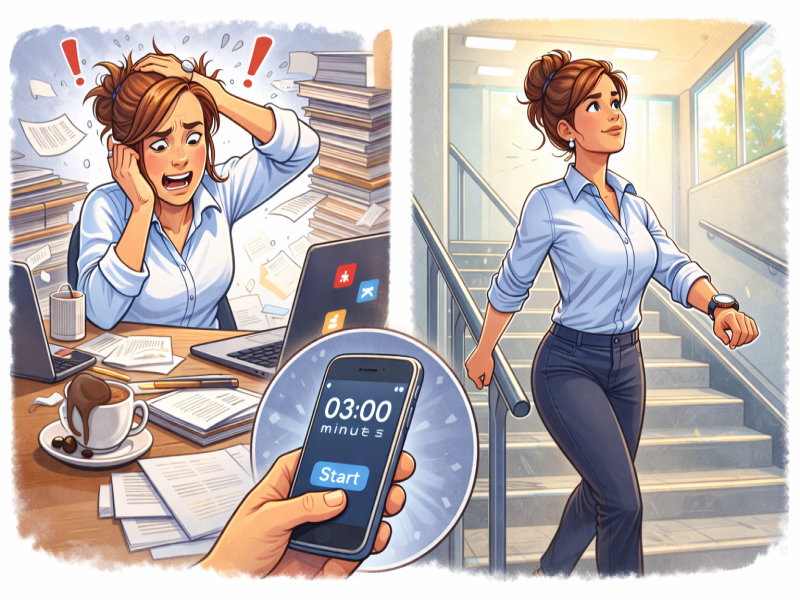
Sit still long enough and we start to rust. Move — and we keep things greased and oiled.
If you’re currently sitting there frustrated with something — or someone — get up. Leave the space if you can. Walk a few steps. Ideally head outside.
Find a little “me space” and do something physical:
- throw down a quick set of push-ups
- stretch your back or shoulders
- skip on the spot for ten seconds
- even shadow box for a moment (hey… why not)
Grab a cold glass of water. Better still — splash a few cold drops on your face and spook the system awake.
Then straighten up, return to your seat, and resume play.
You wake up and you know there’s a challenge waiting.
Before deciding it’s going to be a terrible day — trust me on this — move first. Twenty minutes will do.
Anything counts:
- walk on the spot
- go outside and walk in the sunlight (no sunglasses if possible)
- barefoot on grass is king
- any form of activity, exercise, sport — even a bit of aggressive guitar playing
Then take a shower. Finish with a quick three-second cold blast.
Now go face the day. That challenge waiting for you may not be nearly as big as it looked when you first woke up.

Let’s say you’ve had a clanger of a day. You watched Manly play poorly — and I know you support Manly.
You’re not up for breathing drills or mindset hacks. Fair enough.
But as bedtime approaches, now is not the time for bright screens — especially social media or rereading that email you’re annoyed about.
Try this simple rule:
Place it away from your bed.
If that feels impossible, it might be worth asking a quiet question: Has this little glowing box become a bit addictive?
If the answer is yes, we might have another conversation to have — and you’re welcome to reach out.

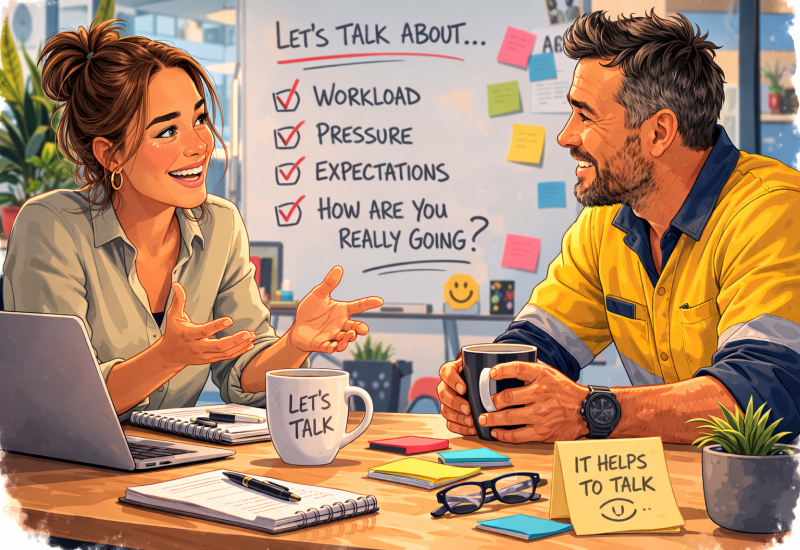
A surprising amount of workplace stress comes from things left unsaid.
Two conversations can lift an enormous mental load.
Conversation one — the honest one
- with a boss
- with a colleague
- about workload, expectations, or pressure
Conversation two — the supportive one
- a mate
- a partner
- a colleague you trust
Humans process stress socially. When we bottle things up, pressure builds. When we talk, the load usually eases.