
Hills — The Runner’s Strength Gym
Why controlled gradients, rolling hill runs and straight hill repeats can build the chassis better than another batch of flat, sloppy kilometres.
If you want to get better at running, hills are hard to beat.
Not because they make you feel heroic.
Not because your watch gives you a nice little elevation badge.
And not because suffering automatically equals progress — because it doesn’t.
I like hills because, done properly, they teach the runner to hold form under load.
And for most runners, that is where the money sits.
Why Hills Work
Running uphill forces the body into a cleaner position.
You generally shorten the stride. You lean from the ankles. You drive the arms. You lift the knees. You push through the hips. You use the feet, calves, glutes and quads in a more deliberate way.
In other words, hills make it harder to fake good running.
The hill gives instant feedback.
If you overstride, you stall. If you collapse, you grind. If your arms go missing, your legs feel like wet rope.

Controlled Load
The hill adds resistance without needing a barbell. But it only works if the effort stays controlled and the form stays tidy.
Not All Hill Running Is the Same
When I pitch hills, I’m not talking about sprinting up a goat track until your soul leaves your body.
There is a time and place for hard work, but most runners do not need reckless hill punishment.
They need hills used properly.
- Rolling hill runs — smooth, controlled, continuous running over varied terrain
- Short hill repeats — up and back, with form as the priority
- Longer controlled climbs — aerobic strength without blowing the engine
- Technical descents — short stride, soft landing, protect the chassis
The hill is the tool. The intensity decides whether it builds you or breaks you.
The Pampy Rule
Run up with purpose.
Run down with respect.
The uphill builds strength. The downhill can build skill — or trash your legs if you get greedy.
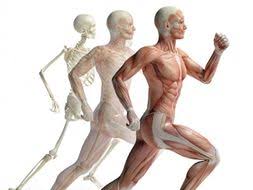
The Chassis Gets a Say
Hills load the calves, Achilles, quads, glutes, hamstrings, hips and trunk. Brilliant training — if introduced progressively.
The Physiological Bit
Hill running gives the runner a beautiful mix of aerobic load and muscular demand.
The heart and lungs still have to work, but the local muscles also get asked a much more serious question.
Can the calves stiffen and recoil?
Can the glutes drive?
Can the quads control the load?
Can the hips hold position?
Can the trunk stay tall when the gradient starts arguing?
That is why I call hills the runner’s strength gym.
Rolling Hills — The Smart Starting Point
For most runners, I like rolling hill runs first.
Not too steep. Not too dramatic. Just enough gradient to change the demand without turning the session into a survival documentary.
Rolling hills teach rhythm.
You learn to ease into the climb, keep the arms useful, shorten the stride, and hold your breathing without panicking.
Then over the top, you learn to relax and flow rather than slam the brakes on.
Rolling hills build strength, rhythm and patience — without needing to smash yourself.
Straight Hill Repeats — Up and Back
Once the runner has some control, I like straight hill repeats.
Find a safe, controlled gradient. Nothing ridiculous. A hill that lets you work hard while still looking like a runner, not a fridge being pushed up a driveway.
The focus is simple:
- Run tall
- Shorten the stride
- Drive the elbows back
- Land under the hips
- Keep the feet quick and quiet
- Stop the effort before form falls apart
The repeat ends when technique breaks — not when the ego says one more.
The Descent Is Not a Free Ride
This is where runners often come unstuck.
They run uphill sensibly, then turn around and let gravity turn them into a shopping trolley.
The downhill matters.
It is not just “getting back to the bottom”.
Downhill running creates large eccentric loads through the quads, calves, knees, hips and feet. That can be useful in small doses, but too much too soon can absolutely light up the chassis.
Protect your form on the descents.
- Shorter strides
- Feet close to the ground
- Soft contact
- Do not overreach
- Do not brake hard with the heel
- Let cadence rise naturally without sprinting
The Intensity Trap
Hill repeats do not have to be all-out.
In fact, for most runners, they should not be.
If every hill repeat turns into a lactate bath, the session changes character. You stop training strength and mechanics and start rehearsing panic.
I’d rather see a runner finish the session thinking, “I could have done one more with good form.”
That is where sustainable progress lives.
The Right Feel
- Strong, not desperate
- Breathing controlled, not ragged
- Legs loaded, not buckled
- Arms driving, not swinging across the body
- Feet quick, not stomping
- Posture tall, not folded
The goal is controlled power.
What Hills Give the Runner
Used well, hills are one of the best ways to build running-specific strength without needing to spend half the week in the gym.
They help the runner build:
- Calf and Achilles stiffness
- Glute and hip drive
- Quad strength and control
- Foot and arch resilience
- Arm drive and trunk posture
- Mental confidence under load
- Better form late in runs and races
That last point is massive.
Most runners do not fall apart because they forgot how to breathe.
They fall apart because their structure starts negotiating.
Hill Training Is Also Mental Training
There is something honest about a hill.
It does not care about your watch, your playlist, your new shoes or whether you had a stressful Tuesday.
The hill simply asks:
Can you hold your shape?
That is why hill running builds confidence.
You learn that discomfort does not mean disaster. You learn that effort can stay controlled. You learn that short, tidy, patient running beats long, sloppy hero strides.
And you learn to keep moving when the road tilts up.
How I’d Pitch It to Most Runners
Start with rolling hills.
Then add short controlled repeats.
Keep the uphill strong but tidy.
Keep the downhill short, soft and respectful.
Progress the chassis before you test the ego.
Simple Session Ideas
You do not need anything fancy.
You need a safe hill, a sensible gradient and a clear purpose.
The Caveat
Hills are powerful, which means they deserve respect.
If your calves, Achilles, knees or hips are already grumbling, do not suddenly become King of the Mountain because you read one enthusiastic Pampy article.
Start gently.
Progress gradually.
Keep the gradient controlled.
And do not turn downhill running into reckless free speed.
Hills build the chassis when introduced with brains. They break the chassis when introduced with ego.
Simple Pampy Version
Hills are strength training in running shoes.
Run up with purpose.
Run down with respect.
Keep the stride short, the posture tall, the arms useful and the intensity controlled.
If mega miles build the engine, hills help build the chassis.
And most runners need a better chassis more than they need another batch of weak kilometres.