
THE NUMBERS — What’s Happening in My Body as I Go Through the Gears on a Run
A Pampy point of view for runners who like the feel of a run… but also like the numbers. From the quiet priming before first light to the harder final kilometres, here’s what I find fascinating when the body starts predicting, preparing, cooling, fuelling and tolerating load.
This one is for the runner who enjoys the analytics. Not because the run has to become a lab experiment — but because the numbers can tell a ripping story.
What fascinates me is this: the run starts well before the first step. The body predicts. The brain primes. The fuel system stirs. The heart rate lifts. The muscles warm. The whole lot quietly comes online.
Then once the run begins, each little shift in effort changes the internal picture — heart rate, breathing, blood flow, lactate, glucose, body temperature, sweating and even the feel-good chemistry in the head.
Take it or leave it — this is the way I see it.
1. Before the Run — The Quiet Build
I’m asleep at about 5:24am. Heart rate is around 39 bpm, breathing is about 9 nasal breaths per minute, core temp sits near 36.1°C, and the muscles are a touch cooler again.
Then — before I’ve moved, before I’ve had coffee, before the run has officially started — the body starts preparing. A little anticipatory lift in blood glucose. A little rise in heart rate. A little warming of the tissues. A little activation of the nervous system.
That’s what I love about physiology. The body doesn’t just react. It predicts.
I grab the phone just before the alarm. The usual tug-of-war starts:
- 👉 stay in bed, do it later
- 👉 get up, ignite the system and use the day properly
Once I get up, there’s a little reward hit straight away. Decision made. Action started. And from there, the whole system begins to prime like a diesel idling into life.

Before You Move, the Engine Is Already Warming
The first numbers I care about are the quiet ones — resting heart rate, breathing rate, body temperature, glucose and the subtle rise that comes from anticipation.
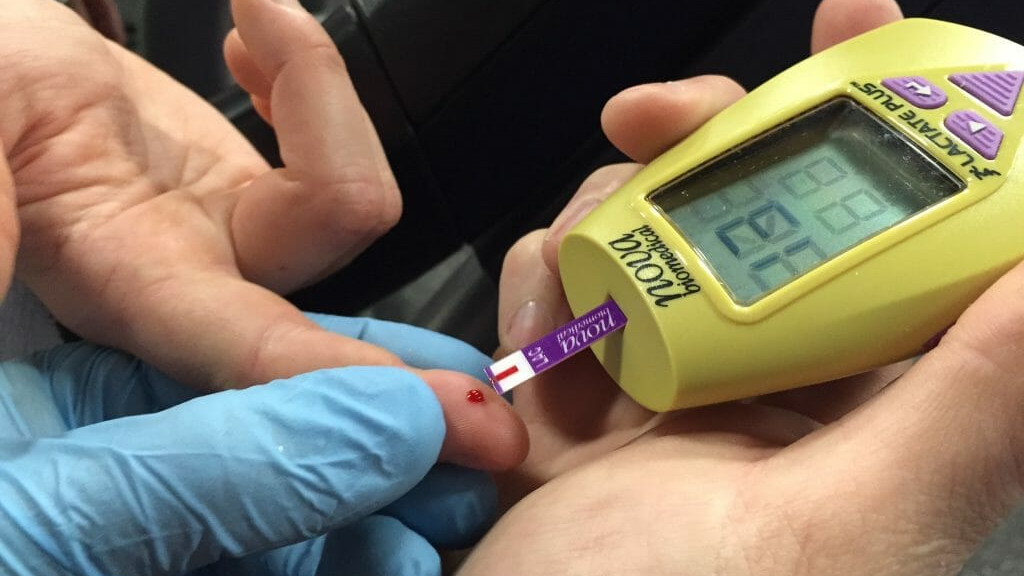
Lactate: Not the Villain
Lactate is not some evil marker of failure. For me, it’s a brilliant clue telling you the system has changed gears and is now under a different level of metabolic pressure.
What’s Switching On?
As I’m kitting up, blood flow rises from roughly 5.0 to 6.5 L/min. Muscle temperature lifts. Heart rate climbs from a true resting value toward a more ready-to-go value in the 60s.
Meanwhile, the brain is mapping the run. Route. Hills. Expected effort. Cadence. Music. Output. It’s a lovely example of the pre-frontal cortex doing its thing — planning the action before the action arrives.
- sweat glands are being primed for cooling
- muscle fibres are being recruited in readiness
- mitochondria are about to be asked to lift ATP production
- the sympathetic nervous system is nudging the whole show forward
I love this bit. The body is already organising the task.
The Numbers Before the First Step
Here’s the sort of pre-run dashboard I’m talking about. Not because you need to obsess over every metric — but because it shows just how much the body is doing before you’ve even started moving properly.
The Cadence Piece Matters Too
I stand at the start point and throw on my music preset to 88 beats per minute. Left foot lands to the main beat, which gives me 176 strides per minute.
That doesn’t mean I’m chasing a pace. It means I’m chasing mechanical order — rhythm, tidy posture and a repeatable stride pattern regardless of whether the terrain rises, falls or flattens out.
2. During the Run — Going Through the Gears
Below is the key physiological picture over roughly 50 minutes as I gradually move through the gears. Effort is based on perceived output, with 10/10 being about the hardest effort I could sustain for a 10km run.
| Effort / Physiology | Km 1–2 Effort 3 |
Km 3–5 Effort 6 |
Km 6–8 Effort 8 |
Km 9–10 Effort 10 |
|---|---|---|---|---|
| Heart Rate (BPM) | 80 | 127 | 145 | 157 |
| Breathing Rate (LPM) | 20 | 32 | 43 | 52 |
| Blood Flow (L/min) | 11 | 16 | 24 | 31 |
| Blood Lactate (mmol) | 0.2 | 1.1 | 3.8 | 4.8 (AT + 4.2) |
| Body Temperature (°C) | 36.6 | 36.9 | 37.4 | 37.8 |
| Sweat Rate (L/hr) | 0.5 | 0.8 | 1.4 | 2.1 |
| Blood Glucose (mmol) | 5.2 | 4.8 | 5.8 | 6.2 |
| Endorphins (% increase from rest) | 50 | 75 | 90 | 95 |
The broad story is simple: as output rises, the pump works harder, breathing scales up, blood flow increases, heat production rises, sweat output climbs, glucose regulation shifts and lactate tells you the system has moved into a more demanding metabolic lane.
The Engineer Version
- Heart = pump curve rising with demand
- Lungs = ventilation scaling to CO₂ and acid load
- Blood flow = delivery network expanding where it’s needed
- Lactate = a marker that the metabolic task has changed
- Temperature = the heat tax of making energy
- Sweat = cooling system under growing pressure
- Glucose = fuel regulation adjusting under load
- Endorphins = internal reward chemistry helping you keep going
Each Gear Demands a New Internal Set-Up
You don’t just run faster. You recruit more circulation, more ventilation, more cooling, more fuel turnover and more tolerance for discomfort.
What I Find Most Fascinating
The body predicts before it reacts.
The first step is not the start of the run.
Lactate is a gear-change clue, not a moral failure.
And the final kilometres are as much about tolerance as they are about fitness.
The Simple Pampy Wrap-Up
This isn’t about becoming obsessed with gadgets. It’s about appreciating that the body is a ridiculously smart and responsive system.
It anticipates. It organises. It fuels. It cools. It protects. It rewards.
And once you understand that, the run becomes more than just pace and distance.
- you respect the quiet priming before you start
- you understand why the middle gears feel so different
- you stop seeing hard breathing and lactate as the enemy
- you realise the body is always solving a live engineering problem
Bottom Line
For me, this is the beauty of running physiology. The run is not just movement. It’s a rolling series of internal adjustments.
The body starts preparing before I even leave bed. Then, as I go through the gears, every kilometre asks a little more from the pump, the lungs, the fuel systems, the cooling systems and the brain.
That’s why I love the numbers. They turn the feeling of a run into a story you can actually see.