
-
Our Aussie summer has been teasing us so far. One week it’s mild and comfortable, the next a full-blown 35°C belter with classic Aussie humidity rolls in and knocks us sideways.
.
And I feel it.
 .
.
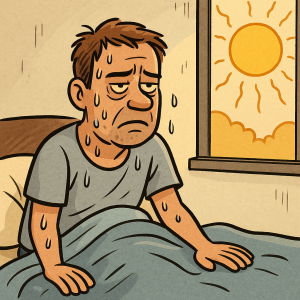
A rough night’s sleep, I wake up flat, like my body aged 20 years overnight. Little psyche to train, minimal spark to mentally get into the day… and a general sense that I’m operating well below my best..
Then—just as quickly—the temperature swings cooler again. I feel lighter, less sore, more energetic, and off I go.
For many of us, that messy transition from spring to a locked-in summer pattern hits harder than we expect. Throw in seasonal alcohol, Christmas parties, inconsistent sleep, and humidity, and you’ve got the perfect storm.
From experience, once summer truly settles in for a consistent run, my body takes roughly a week to thermoregulate, settle, and find its rhythm again. After that, I’m sweet.
.
So what’s going on in this transition zone?
.
Why the flat mornings, sore body, and emotional “can’t be bothered”?For the most part, it’s hydration status — or more accurately, mild dehydration, even as little as 2–3% down.
Top 5 Symptoms of Early Dehydration (even @ 1-2%)
.
1. Slower Metabolism & Energy Fade
Mild dehydration drops your internal engine speed.
Your cells burn fuel less efficiently, leaving you sluggish, heavy, and off your game.
Why: Reduced plasma volume → poorer nutrient delivery → metabolism slows..
2. Headaches & Brain Fog
A 2% drop in body water can trigger tight headaches, cloudy thinking, and poor concentration.
Why: Less fluid around the brain + reduced blood flow..
3. Increased Perceived Effort (Exercise Feels Harder)
That easy run or gym session suddenly feels like a slog in a sauna.
Your heart rate climbs and your RPE spikes — without changing the workload.
Why: Lower blood volume forces your heart to work harder..
4. Early Muscle Cramping & Next-Day Soreness
Electrolyte shifts and lower muscle perfusion mean you cramp earlier and feel oddly “tight” the next day.
Why: Sodium/potassium imbalance + reduced muscle hydration..
5. Mood Drop: Irritable, Flat, Low Tolerance
Mild dehydration is a master of disguise.
Expect low patience, irritability, emotional fatigue, and trouble managing stress.
Why: It disrupts cortisol, neurotransmitters and blood-glucose stability..
Oh, and: Appetite Confusion
Dehydration often masquerades as hunger — people eat when they actually need fluid + electrolytes, not calories.
While My Body Adjusts, Here’s What Helps Me
.
🎯 Warm water on waking with a tiny dash of bicarb soda + fresh lemon
🎯 Drop exercise intensity by 30% for a few days — even a light short shuffle counts
🎯 Bedroom fan on low to stabilise overnight temp
🎯 Light, salad-based dinners — the heavy casseroles can wait
🎯 Avoid alcohol unless it’s genuinely social (not “just because”)
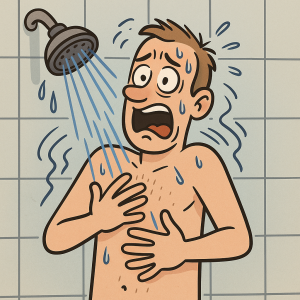
🎯 Finish showers with a 5-second cold blast to help settle the thermoregulation system
-
As we roll into the pointy end of the year — break-ups, BBQs, Christmas parties, long lunches, family catch-ups, backyard cricket — I’ll be honest: I enjoy a drink or two.
Not for the alcohol itself, but for the connection.
This time of year pulls people together, and that social glue is incredibly good for our emotional health. I’m all for that.But… there’s a line.
Cross it, and the benefits flip fast.So here’s the conundrum: How do we enjoy the social upside without copping the metabolic downside?
The Effects of Excessive Drinking (The Not-So-Fun Stuff)
Here are the classic five big hits that come with “a few too many”:
.
1. Dehydration → Next-Day Flatness
Alcohol is a diuretic. You pee more, you dehydrate faster, and you wake up dry, sore, and sluggish — especially in summer heat.
.
2. Poor Sleep Architecture
Alcohol knocks you out initially… but destroys REM quality.
Result? Fragmented sleep, elevated heart rate, early waking, and emotional flatness..
3. Inflamed Gut & Poor Appetite Regulation
Booze irritates the gut lining and messes with insulin response.
Cue: cravings, bloating, poorer digestion, and the classic “hollow hunger.”.
4. Reduced Training Capacity
Your metabolic engine, nervous system and hydration status all take a hit.
Expect elevated RPE, slower recovery and reduced power output..
5. Mood Wobbles
Alcohol changes neurotransmitters and cortisol.
That social high can turn into low tolerance, irritability or emotional dip the next day.5 Simple Coping Strategies (My Own Playbook)
These aren’t rules — they’re practical damage minimisers that keep you in the game.
.
🍻 Set Your Number Before You Walk In
Not a restriction — a decision.
“I’m having 2–3 tonight, max.”
It’s amazing how well this works..
🍻 Hydrate Before, During, After
Throw in the odd glass of water - particularly if you're drinking and sweating - e.g. backyard cricket! NOTE - no first ball ducks' DON'T apply at the Pamp's. When I knock over Mum with a quick one first up - she's gotta walk!
Plus a rehydration hit before bed (water + pinch of salt or bicarb + lemon)..
🍻 Don’t Drink on an Empty Stomach
Go in with a protein + fibre base and salty foods.
It slows alcohol absorption and protects your gut..
🍻 Protect Tomorrow Morning
Decide the night before:
Light walk? Sauna? Cold shower? Easy breakfast plan?
Having a morning routine ready stops the spiral..
🍻 Avoid the “Momentum Drink”
You know the one — not social, not enjoyable, just another.
That’s the tipping point. Skip it, and you keep the upside without inviting the crash.