
PAMPY'S POST (#358) — JUN26A
🛡️
Protect Your Immune System Like PPE This Winter – 10 hacks
🥦
The Vegetable Leaderboard – The Masters of Nutrition
🧬
I’m slowing…do I need peptides?
🏃
Winter training motivation – City to Surf programs
Pampy’s Post • Augusta Edition
The Vegetable Leaderboard
The Masters of Nutrition
Some vegetables dominate the course while others are simply making up the numbers on the leaderboard.
I’ve written thousands of food programs over the years — and every single one features vegetables.
Why?
Because eating a wide variety of fresh vegetables provides the body with an enormous mix of vitamins, minerals, antioxidants and dietary fibre that support:
🫀 Heart & vessel health
🫀 Blood glucose balance
🫀 Digestive health
🫀 Immune defence
🫀 Healthier body composition
But… not all vegetables score equally on the leaderboard.
Some dominate while others are pretenders.
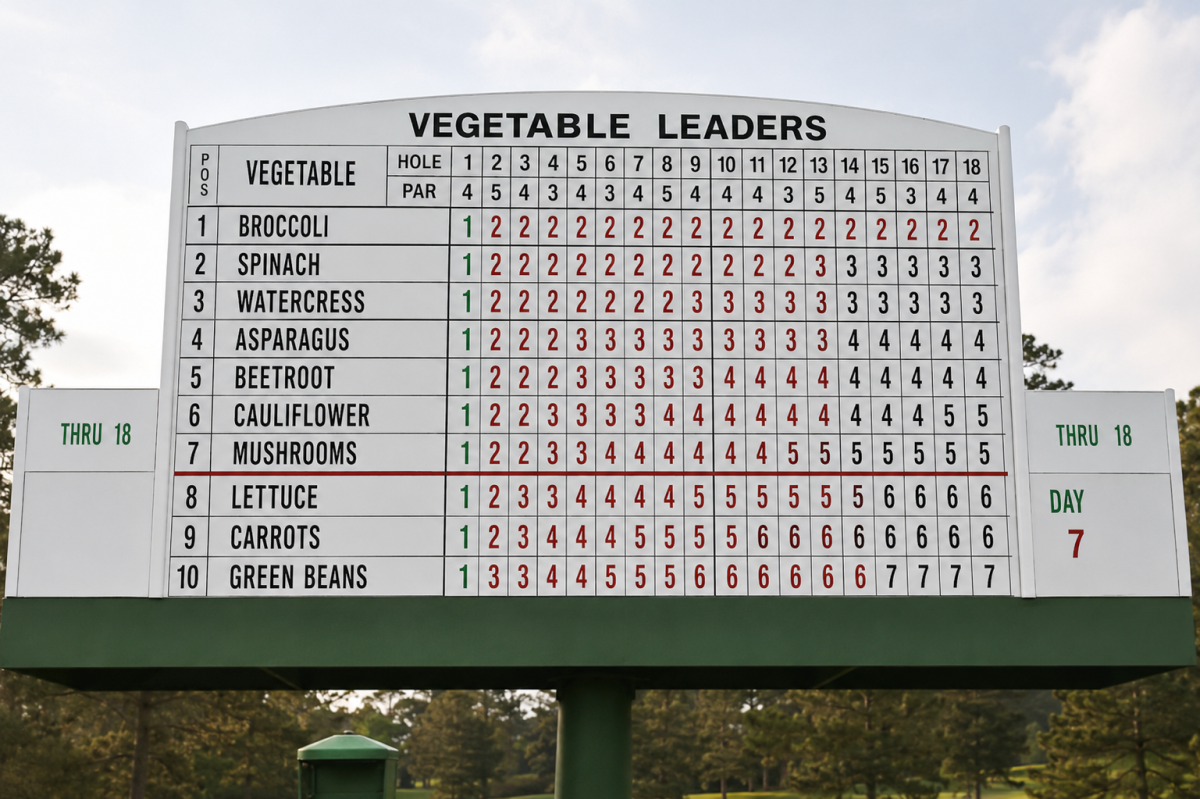
So, in true Augusta National style… here’s the Vegetable Leaderboard — and below, why these seven vegetables made the cut and now lead the tournament.
BROCCOLI
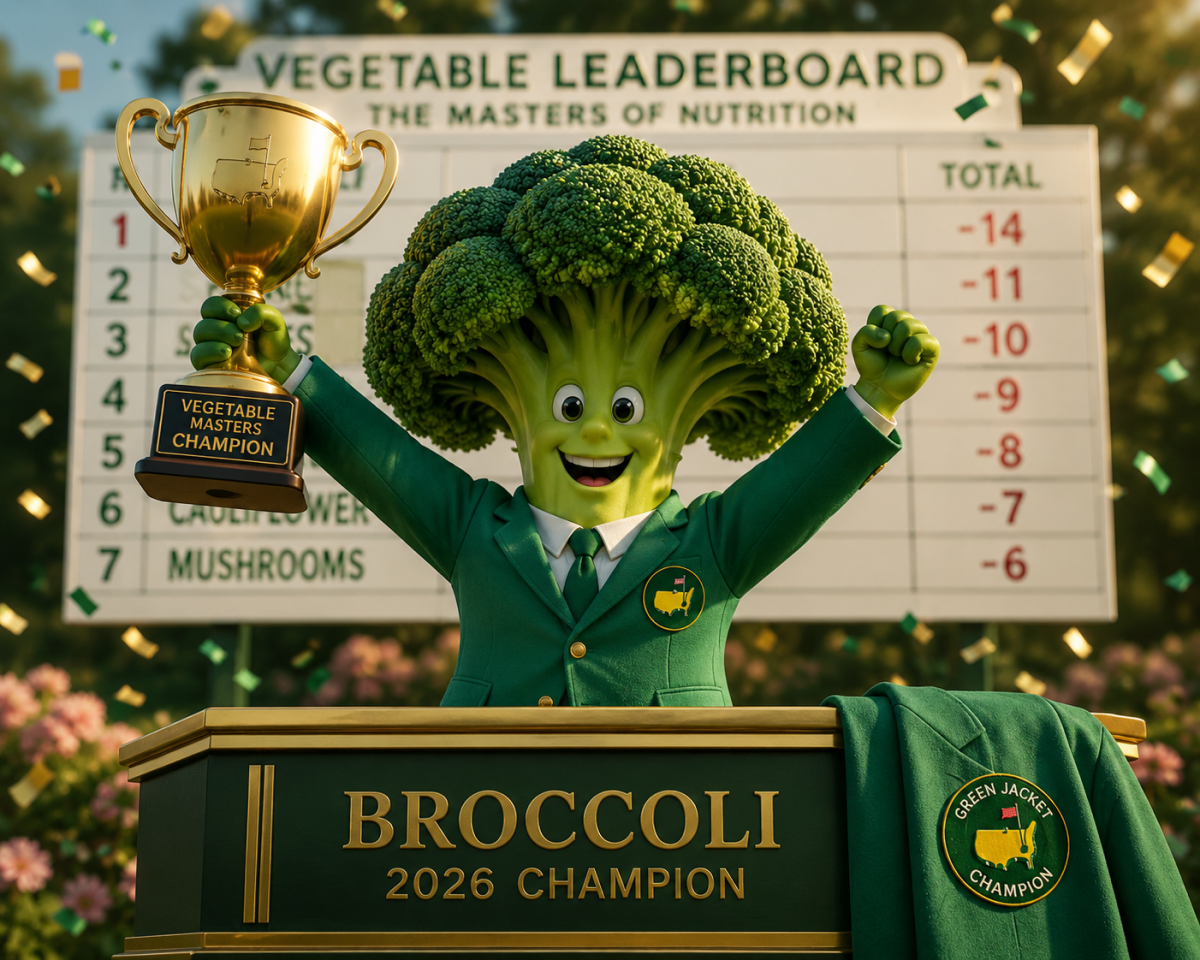
Current Clubhouse Leader 🥦
Broccoli is the Master of the green jacket.
Loaded with fibre, vitamin C, vitamin K, folate and powerful sulphoraphane compounds, this player doesn’t just hit fairways — it protects the clubhouse itself.
Immune defence > Blood vessel protection > Liver support > Anti-inflammatory support > Gut health
This is the vegetable equivalent of prime Tiger Woods. No weakness. No wasted shots.
The Chasing Pack
These players are still very much in contention heading into Sunday afternoon.
2
SPINACH
A lipped out putt from winning!
Better oxygen delivery > Muscular function > Nerve balance > Blood pressure support
Like a classy golfer who never seems rushed, spinach controls the nervous system beautifully.
3
WATERCRESS
The dark horse making a serious run.
Vitamin K > Antioxidants > Glucosinolates > Immune-supportive compounds
Quiet. Understated. Deadly effective.
4
ASPARAGUS
The veteran course manager.
Gut bacteria > Fluid balance > Digestive rhythm > Metabolic health
Not flashy. Not emotional. Just keeps making pars while everyone else implodes.
5
BEETROOT
The long bomber off the tee.
Blood flow > Exercise efficiency > Endurance > Blood pressure support
Big engine. Big carry distance. Built for marathon Sundays.
6
CAULIFLOWER
The quiet all-rounder.
Vitamin C > Antioxidants > Gut-supportive compounds
The steady player sitting at -9 while the TV coverage ignores them all week.
7
MUSHROOMS
The weathered pro who knows every trick in the book.
Beta glucans > Selenium > B vitamins > Brain support
Somehow still hanging around the leaderboard every single year.
THE CUT LINE
“These vegetables simply didn’t do enough to play the weekend…”
LETTUCE
Looks the part. Crowd favourite in salads.
But nutritionally?
Mostly water. Minimal return. Pretender!
CARROTS
Good player historically… but perhaps overrated in modern nutrition circles.
Solid mid-table pro. Not elite anymore.
GREEN BEANS
Perfectly respectable.
But compared to the nutrient firepower higher up the leaderboard… simply lacks scoring potential.
Pampy’s Post • Healthy Ageing
Now 55 with a little rust, do I (and you) need peptides?
Not broken. Not sick. But definitely not 28 anymore either.
At 55… I’m increasingly realising this piece probably isn’t about me anymore.
It’s about a whole generation of punters who are now quietly feeling “the pinch” of ageing.
Not broken.
Not sick.
But definitely not 28 anymore either.
And perhaps the best thing we can do is stop pretending otherwise.
1. Still healthy, still moving… but
At 55, I can honestly report my overall health metrics remain excellent.
Bloods good.
Body composition solid.
Still training daily.
Still moving well.
Body composition solid.
Still training daily.
Still moving well.
Still capable of throwing out a decent ride, comfortable run, resistance session and a full workday.
And importantly — after roughly 40 years of pretty excessive endurance and exercise loading — I’ve avoided major injury.
But…
I’m also very aware the chassis no longer behaves like it once did.
And perhaps this is where many people between 45–65 quietly start nodding their heads.
Because maybe you too are noticing:
- waking stiffer
- slower recovery
- random sore bits
- less bounce
- poorer sleep after stress or alcohol
- joints talking back
- more fatigue from workloads that once felt easy
Not because you’re weak.
Not because you’re failing.
But because biology eventually starts sending invoices.
And maybe that’s completely normal.
2. The accumulated mileage tax
I actually think one of the biggest mistakes we make around ageing is assuming pain, stiffness and reduced recovery automatically means pathology.
Sometimes it simply means:
“Mate… you’ve accumulated some miles.”
And in my case, there’s been plenty of miles.
Ironman training.
Running.
Cycling.
Cricket & Rugby.
Running.
Cycling.
Cricket & Rugby.
Strength work.
Travel.
Long work hours.
Repeated loading.
Travel.
Long work hours.
Repeated loading.
Eventually the body starts requesting payment.
For me personally, that now often looks like:
- waking up sore
- elbows that ache
- little hip clicks
- tendon grumbles
- lower back stiffness
- reduced tolerance for “hero” sessions
- slower recovery from bigger days
And honestly?
You absolutely do NOT need an elite athletic background to experience exactly the same thing.
Because I’m seeing the same signs in everyday folks in my demographic:
- tradies
- office workers
- mums & dads
- shift workers
- farmers
- weekend golfers
- ex-footy players
- former gym junkies
Many people in their 50s are now carrying:
- accumulated stress
- accumulated bodyweight
- accumulated inflammation
- accumulated poor sleep
- accumulated alcohol
- accumulated sitting
- accumulated life load
That’s still “mileage.”
Different mileage… but mileage nonetheless.
3. So… are there now modern strategies worth considering?
Outside continued movement, cleaner eating and sleep prioritisation — which I still believe are the true big rocks — I do think there are now some newer recovery and healthy-ageing strategies worth discussing.
Because once you move into your late 40s, 50s and beyond, the conversation changes a little.
You’re no longer simply chasing:
- performance
- speed
- aesthetics
- PBs
You’re increasingly trying to preserve:
- tendon health
- muscle mass
- joint function
- energy
- recovery
- cognition
- metabolic health
- movement confidence
And importantly…
you’re trying to stay in the game.
Not dominate the game.
Just stay functional, capable, independent and energetic for longer.
Which honestly, I now think is a very mature and intelligent goal.
4. Peptides — BPC-157 & TB500
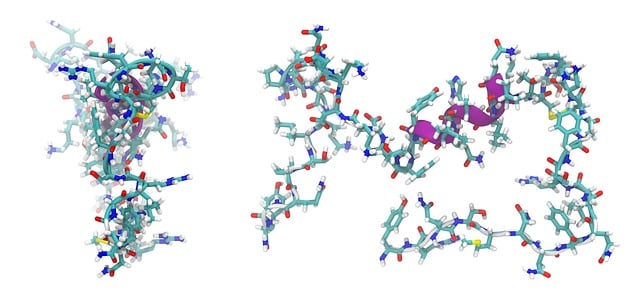
Over the last 12 months I’ve spent a fair bit of time deep-diving the peptide discussion — particularly compounds such as:
- BPC-157
- TB500
And look…
there’s definitely more to this space than just Instagram cowboys and biohacking influencers carrying on.
The core claims around these peptides generally centre around:
- improved tendon healing
- reduced inflammation
- tissue repair
- recovery support
- collagen and blood vessel signalling
- faster recovery from repetitive loading
And interestingly, I do have mates — including older endurance athletes and gym blokes — who genuinely report:
- less tendon irritation
- reduced soreness
- quicker recovery
- improved “niggle management”
- better training continuity
Meaning…
there’s probably SOMETHING happening there.
But…
At this stage personally?
I’m still not convinced my own physiology truly needs peptide support.
That’s not me criticising them.
And I’m certainly not saying others shouldn’t explore the space carefully and intelligently with proper medical guidance.
I’m simply saying:
for now… I’m not fully sold that they’re the right fit for me personally.
Maybe they become more relevant later.
Maybe not.
But I still believe the foundations matter far more than the sexy stuff.
5. What I’m actually doing now
Outside continued movement, cleaner eating and protecting sleep like PPE, my own approach has actually become fairly simple.
Less “anti-ageing hype.”
More “support the machinery.”
Here’s what I’m currently doing and WHY:
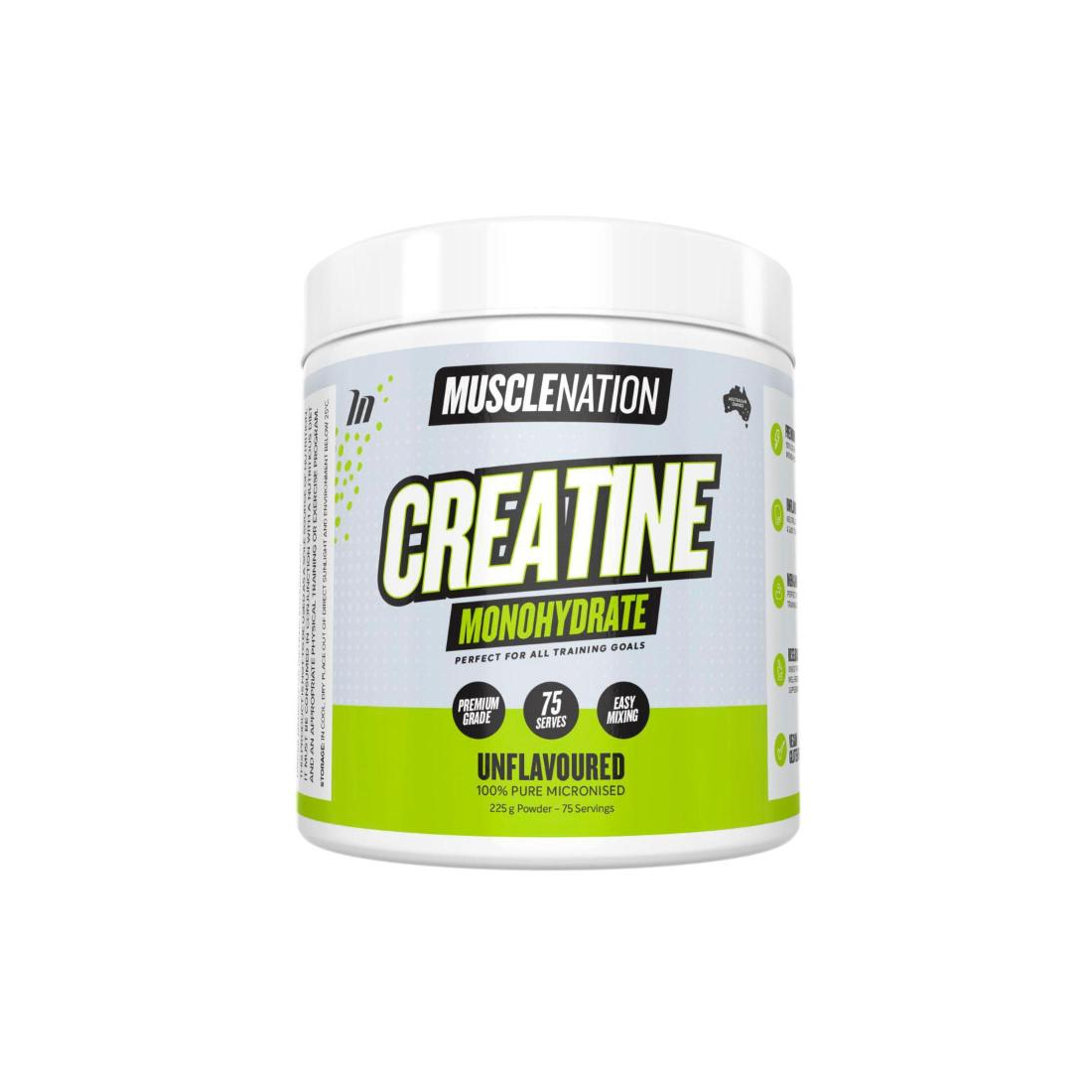
Creatine
Probably one of the best-supported supplements we have.
Not just for muscle…
but also:
- ATP energy production
- recovery
- healthy ageing
- preserving muscle mass
- potentially supporting brain function
At 55, preserving muscle now matters enormously.
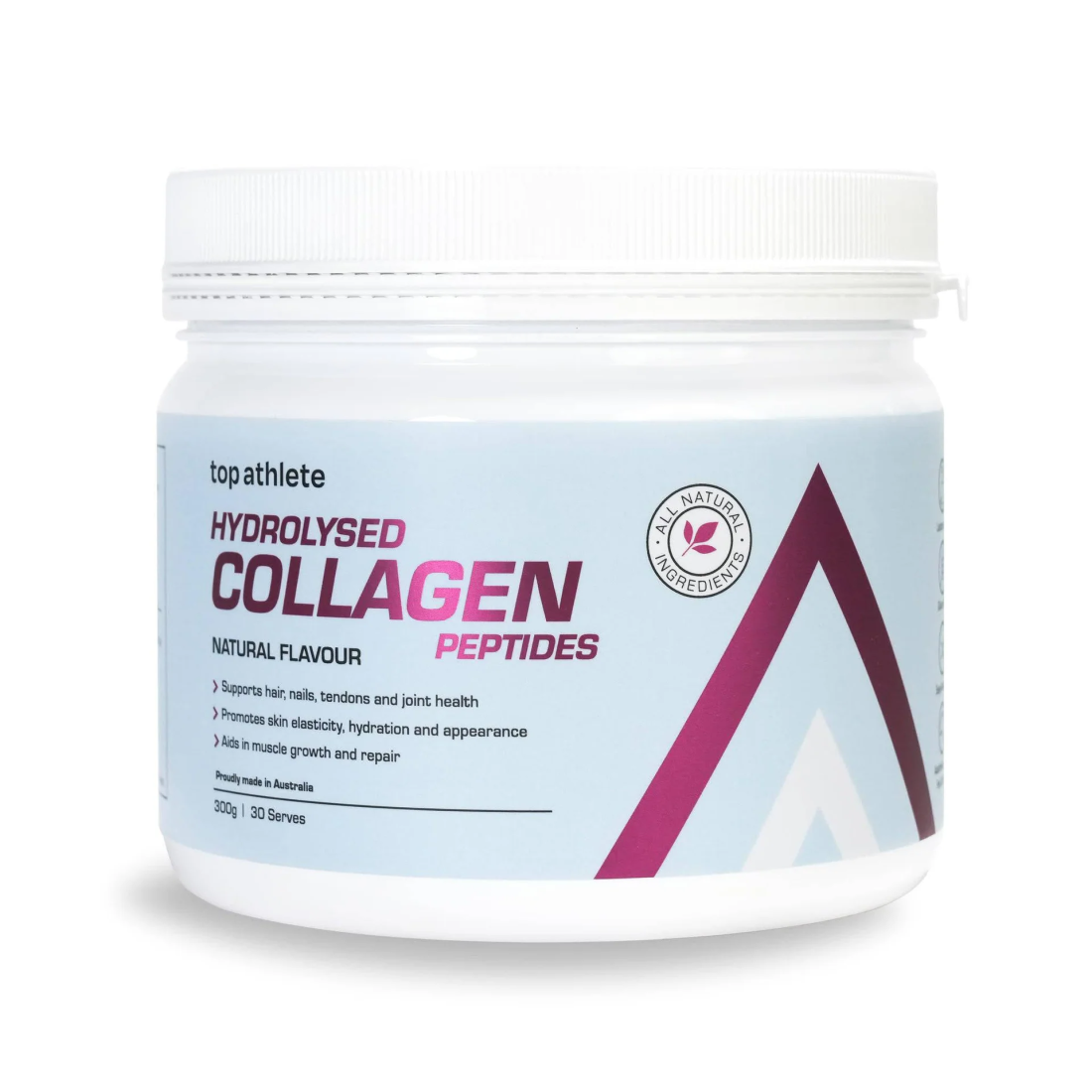
Collagen + Vitamin C
This one makes a lot of sense to me now.
Because increasingly the issue isn’t cardiovascular fitness.
It’s tissue tolerance.
Tendons.
Connective tissue.
Joint structures.
Collagen integrity.
So supporting collagen turnover and connective tissue health now feels logical.
Morning hydration strategy
Most mornings:
- boiling water
- fresh lemon
- pinch of bicarb soda
Simple.
But I find it helps:
- hydration
- gut feel
- digestion
- throat comfort
- morning alertness
And honestly, it starts the day with intent.
Evening turmeric + lemon + honey drink
This has become a nice little nightly ritual.
Particularly during colder months.
Turmeric may assist inflammation balance, while the warm fluid, lemon and honey simply feel restorative and calming before sleep.
And at this age…
good sleep is gold.
PRP — right elbow
I had PRP into my right elbow.
And honestly?
It worked reasonably well.
Not magic.
Not overnight.
But I’d estimate roughly a 70% improvement overall.
Enough to convince me there’s probably real merit in some regenerative-style approaches.
Occasional anti-inflammatories
I still occasionally use non-steroidal anti-inflammatories in short hits when needed.
But carefully.
And only alongside:
- good hydration
- sensible nutrition
- good gut health
- and never chronically