
Intensity – DTI
Your intensity — your effort — is fundamental to your preparation. My default running prescription is what I call DTI: Default Training Intensity.
DTI is the effort you can build on.
For much of your early preparation, I want your training held at DTI. Not lazy. Not smashed. Just controlled, repeatable, aerobic work.
Why DTI Works
This is the engine-building zone — the place where health, durability and performance start to shake hands.
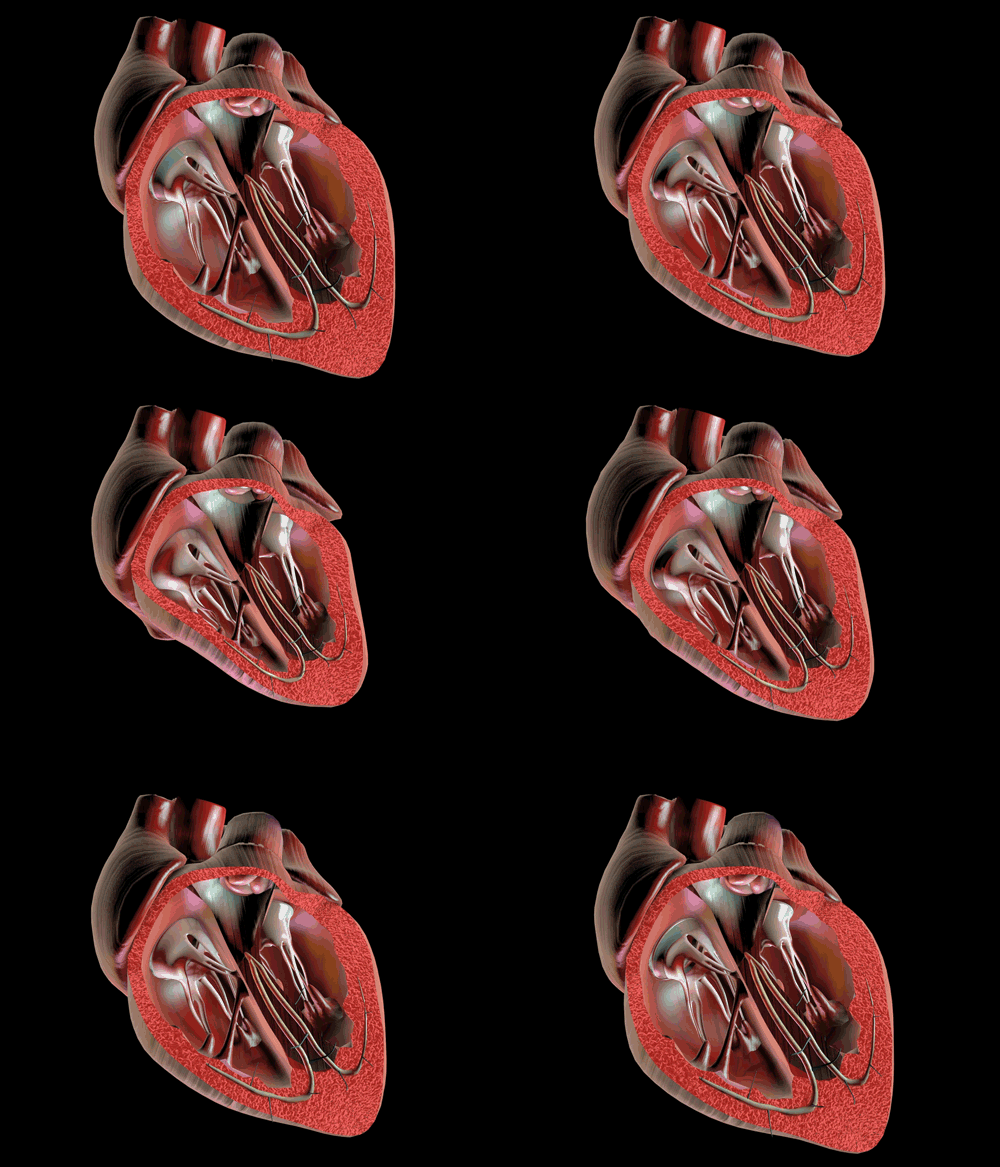
1. Stronger Cardiovascular System
The heart becomes more efficient at pumping blood with each beat.
- Increased stroke volume
- Lower resting heart rate
- Less cardiac strain at submaximal efforts
- Better circulation efficiency
2. Increased Capillarisation
Aerobic work helps develop the tiny blood vessels around working muscle.
- Better oxygen delivery
- Improved nutrient transport
- Enhanced waste removal
- Greater endurance durability
3. More Mitochondrial Firepower
DTI encourages more efficient mitochondria — your cellular energy factories.
- Improved aerobic energy production
- Better endurance
- Less lactate build-up
- Greater fatigue resistance
4. Better Fat Metabolism
A hallmark of Z2-style training: teaching the body to use fat more efficiently.
- Burns fat more effectively
- Spares glycogen
- Supports steadier blood glucose
- Reduces constant carb dependence
5. Lower Functional Risk
Compared with living in the red zone, DTI is kinder on the body.
- Easier on joints
- Easier on tendons
- Easier on connective tissue
- Lower systemic stress
6. Faster Recovery
The body absorbs this work rather than fighting to survive it.
- Less residual soreness
- Improved sleep rhythm
- Better mood and motivation
- More repeatable training weeks
7. Better Nervous System Balance
Hard training has its place, but too much can keep the body in fight-or-flight.
- More parasympathetic balance
- Calmer nervous system tone
- Improved emotional regulation
- Less training anxiety
8. Better Immune Resilience
Aerobic-focused training is less likely to flatten the immune system.
- Less cortisol overload
- Reduced inflammatory disruption
- Lower overtraining risk
- Fewer sickness interruptions
9. Faster At The Same Effort
The magic is gradual: you eventually run quicker at the same heart rate.
- Better aerobic speed
- Improved running economy
- Controlled breathing at better pace
- Less late-run fade
10. Easier On The Mind
DTI makes training more sustainable because you stop turning every run into a test.
- Less dread
- Less burnout
- More rhythm and enjoyment
- Better long-term consistency
How DTI Feels
DTI is not crawling. It is controlled work. You know you’re exercising, but you are not fighting the session.
EASY
- Full conversations
- Feels like you could go forever
- Could repeat the session
- Very low injury risk
DTI ZONE
- 3–4 word answers
- Working, but comfy
- Light sweat / body heat
- Often feels too easy early on
HARD
- Breathing hard / sting
- Conversation breaks down
- Countdown mode
- Recovery required
How To Work Out Your DTI
Use feel first
Controlled breathing. Comfortable rhythm. Working, but not straining.
Do a test run
Run 30–50 minutes at perceived DTI while wearing your HR monitor.
Average it out
Use the middle ground between the calculator and your easy-test average HR.
⚠️ Expect An Adjustment Phase
Policing DTI can feel frustrating early — watch alarms, ego and training partners. Stay patient. Once you adapt, you recover faster and stack better weeks.
❌ When You Live Above DTI
- Calf / Achilles issues become common
- Knee, shin and back niggles creep in
- Illness risk rises
- Sleep and appetite get messy
- Performance stalls or reverses
✅ When It’s Safe To Go Harder
- 8–16 weeks of consistent DTI training
- Strength work and recovery habits are in place
- Your DTI time trial improves meaningfully
- Hard sessions are prescribed — not emotional
The Bigger Picture
The modern exercise world often glorifies suffering, smashing yourself and maximal effort.
But physiologically, the aerobic system is still the foundation of
endurance, metabolic health, recovery, longevity and structural resilience.
Hard training absolutely has a place. But if the aerobic base is poor,
high intensity simply becomes expensive stress layered on top of dysfunction.
Build health first. Performance often follows.