
BP NUTRITION
Whole foods, smart fuelling, individualised planning and practical nourishment for health, performance and long-term consistency.
General Wellness Nutrition
The BP ONE Philosophy
My nutrition philosophy is relatively simple.
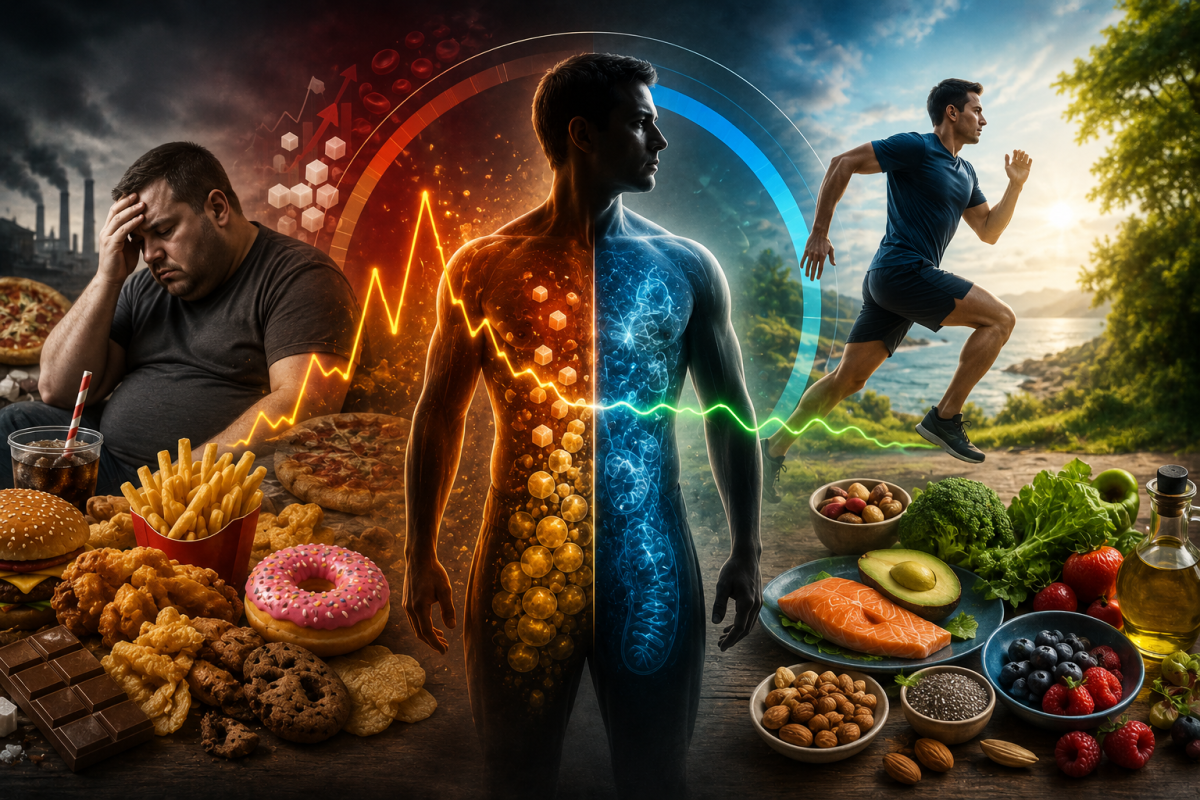
Where possible, favour whole foods and minimise ultra-processed foods.
While there are exceptions to every rule, most people improve their health significantly by consuming foods that look very similar to how they appeared in nature.
Examples of whole foods include:
- Vegetables and salads
- Fruits and berries
- Eggs
- Fish and seafood
- Lean meats
- Poultry
- Dairy products
- Nuts and seeds
- Legumes
- Whole grains
- Herbs and spices
These foods have nourished human beings for thousands of years and continue to provide the foundations of good health.
Why Whole Foods Matter
A diet based predominantly on whole foods may assist with:
- Improved body composition
- Better blood glucose control
- Reduced hunger and cravings
- Improved digestive health
- Improved energy levels
- Better cardiovascular health
- Improved metabolic health markers
- Better exercise recovery
- Improved immune function
- Long-term weight management
Whole foods generally provide a naturally balanced combination of protein, fibre, vitamins, minerals, healthy fats and phytonutrients that work together to support health.
The Ultra-Processed Food Challenge
Modern society has become increasingly reliant on ultra-processed foods.
These foods are often highly convenient, heavily marketed and extremely palatable.
Common examples include:
- Soft drinks and energy drinks
- Confectionery
- Packaged snack foods
- Fast foods
- Highly refined breakfast cereals
- Sweetened desserts
- Many packaged convenience meals
While these foods can occasionally have a place, excessive consumption may contribute to:
- Weight gain
- Increased body fat accumulation
- Poor blood glucose control
- Elevated inflammation
- Increased hunger and cravings
- Reduced nutrient intake
- Reduced energy levels
- Poorer gut health
- Increased risk of metabolic disease
The challenge is not perfection.
The challenge is ensuring that the majority of food consumed regularly comes from nutritious whole-food sources.

Sports Nutrition
Fuel Must Match Output
Sports nutrition differs significantly from general wellness nutrition.
The nutritional needs of a recreational walker are very different from those of a runner, cyclist, triathlete, team sport athlete or strength athlete.
The greater the training load, the greater the importance of appropriate nutrition.
When designing an athlete's nutrition plan, many factors must be considered.

Key Factors Considered
- Training volume
- Training intensity
- Sport type
- Competition schedule
- Gender
- Age
- Recovery demands
- Current body composition goals
- Previous injury history
- Sleep quality
- Travel requirements
- Environmental conditions
- Food preferences and tolerances
No two athletes are identical.
Therefore, no two athlete nutrition plans should be identical.
Protein Requirements
Protein is one of the most important nutrients for athletes.
It assists with:
- Muscle repair
- Muscle maintenance
- Muscle growth
- Recovery from training
- Immune function
- Healthy ageing
The amount required depends heavily on the athlete, their sport and their current goals.
Carbohydrate Requirements
Carbohydrates remain an important fuel source for many sporting activities.
However, the amount required varies considerably.
An athlete completing high-volume endurance training will typically have different carbohydrate requirements than someone performing resistance training or lower-volume exercise.
The goal is to match carbohydrate intake to the demands of training and recovery.
Sport-Specific Nutrition
Different sports often require different nutritional approaches.
The nutritional demands of:
- Running
- Triathlon
- Cycling
- Resistance training
- Team sports
- Adventure sports
can vary substantially.
Food timing, hydration, recovery nutrition, race-day nutrition and training nutrition all become increasingly important as training demands increase.
The BP ONE Approach
At BP ONE, nutrition is never viewed in isolation.
Nutrition must work alongside activity, recovery and sleep.
The goal is not simply weight loss.
The goal is to create a sustainable nutritional strategy that supports health, performance, recovery and long-term wellbeing.
A successful nutrition plan is one that can be followed consistently while still allowing people to enjoy their food, their lifestyle and their sport.
Before I Design Your Nourishing Approach
Before I design your nourishing approach, I would require further information from you.
This confidential questionnaire provides me with vital information towards designing your dietary approach.