
OFF THE TOOLS ≠ OFF YOUR FEET
There’s a change I’m seeing more and more across our workforce.
A bloke spends years on the tools.
Walking. Climbing. Carrying. Lifting. Squatting. Up and down stairs. Back to the ute. Back to the workshop. Back out again.
It Was Never Called Exercise
It was simply work.
Then careers progress. Technology improves. Roles change. Experience becomes valuable in different ways.
And suddenly, the bloke who once spent most of his day moving is spending a fair chunk of it looking at a screen.
Same Bloke.
Same appetite.
Same lunch.
Same Friday arvo beer.
Very different energy output.
Weight gain rarely arrives with a marching band.
More often, it just creeps.
And That’s Where The Numbers Can Start To Shift
A kilo here. Another couple over winter. The belt goes out a notch.
Five years later you’re wondering where the extra 8–10 kilos came from.
Part of the explanation can be remarkably simple:
Less output — with the same, or sometimes greater, opportunity for input.
So perhaps we simply need to put a little movement back into the working day.
The 3 × 30
Here’s something incredibly simple I’d like you to trial.
Three times during your working day:
10 squats + 10 push-ups + 5 lunges each leg.
That’s it.
No gym. No equipment.
You need about 1 metre × 1 metre of floor and a couple of minutes.
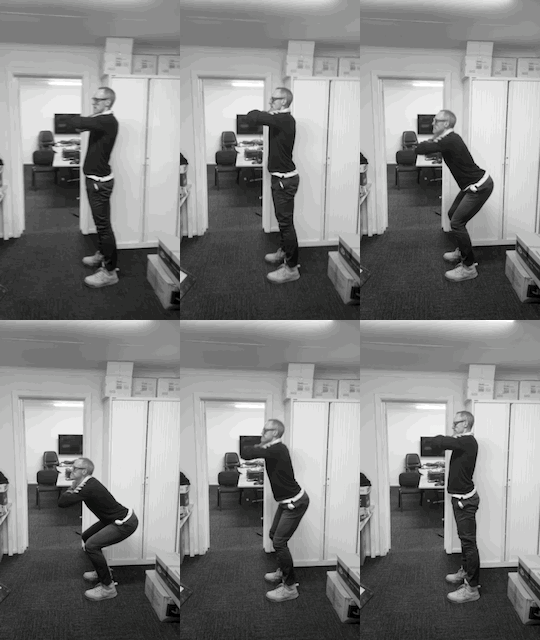
10 BODYWEIGHT SQUATS
Sit back. Stand tall. Nice controlled repetitions.
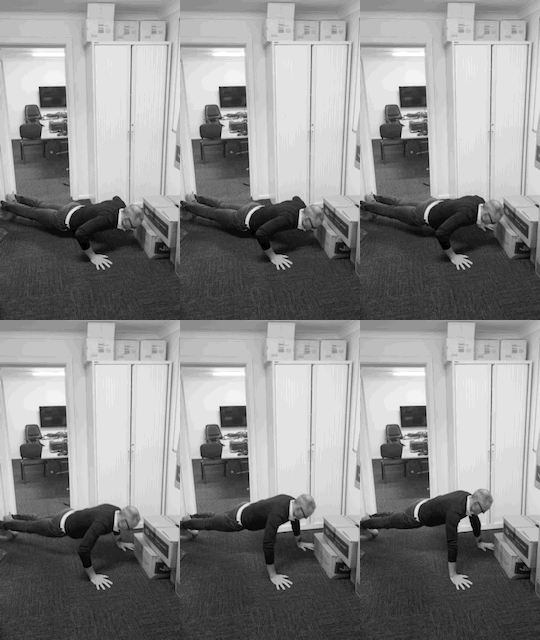
10 PUSH-UPS
Floor, bench or desk variation — choose what suits.
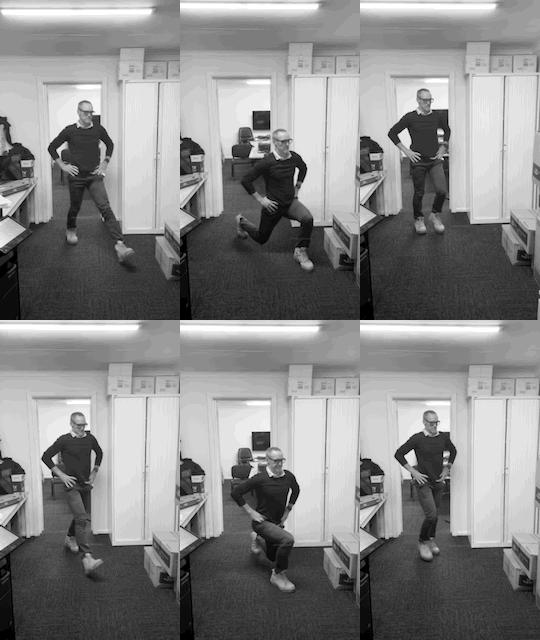
5 + 5 LUNGES
Alternate legs. Smooth, balanced and controlled.
When?
Attach each round to something that already happens in your working day.
or starting your day
the PC for the day
Each time:
10 Squats → 10 Push-ups → 5+5 Lunges
Done.
Does Something This Small Really Matter?
Have a look at the accumulation.
Is it going to turn you into an Olympic decathlete?
Naaa.
But three times a day your muscles contract, your heart and circulation get a little nudge, and a long slab of sitting gets interrupted.
There can be another handy side effect too. Movement can act as a circuit-breaker around mindless eating — you're generally less interested in rummaging through the biscuit cupboard while you're knocking out squats.
Your Body Gives You A Fair Clue
Ultimately, if we were designed to sit all day, we probably wouldn’t have been issued hinge joints, spinal rotation, shoulder range, hips, ankles and two perfectly good legs.
They’re there to be used.
Put Some Movement Back Into The Job.
If technology, experience or career progression has taken some of the physical work out of your day, that’s hardly a bad thing.
But your body may still miss the movement that used to come with it.
So sprinkle a little of it back through the day.
A couple of minutes.
Three times.
Then get back to work.
3 × 30
Before you start.
Before lunch.
Before you finish.
90 movements a day.
Tiny practice.
Big accumulation.
TURN IT UP!
It is pretty rare these days to see a jogger without something stuck in their ears.
Podcast. Audiobook. Music.
For me, it has nearly always been music.
My Experiment Started In The 90s
I made myself a cassette tape — remember those? — loaded with my favourite training music.
Into the Walkman it went — which from memory weighed about two kilos and required a fairly substantial pair of shorts to hold the bloody thing.
For the first time, I raced a marathon listening to music.
Interestingly, I ran a PB.
Was It Eddie Van Halen?
I’m certainly not suggesting Eddie dragged me around 42.2 kilometres.
But I remember something very clearly.
The legs were working. The fatigue was there.
I just didn’t seem to be listening to the discomfort quite as closely.
I’ve used music in most races where it has been permitted ever since.
The work hadn’t disappeared.
My attention had simply moved.
But Your Brain Is Listening
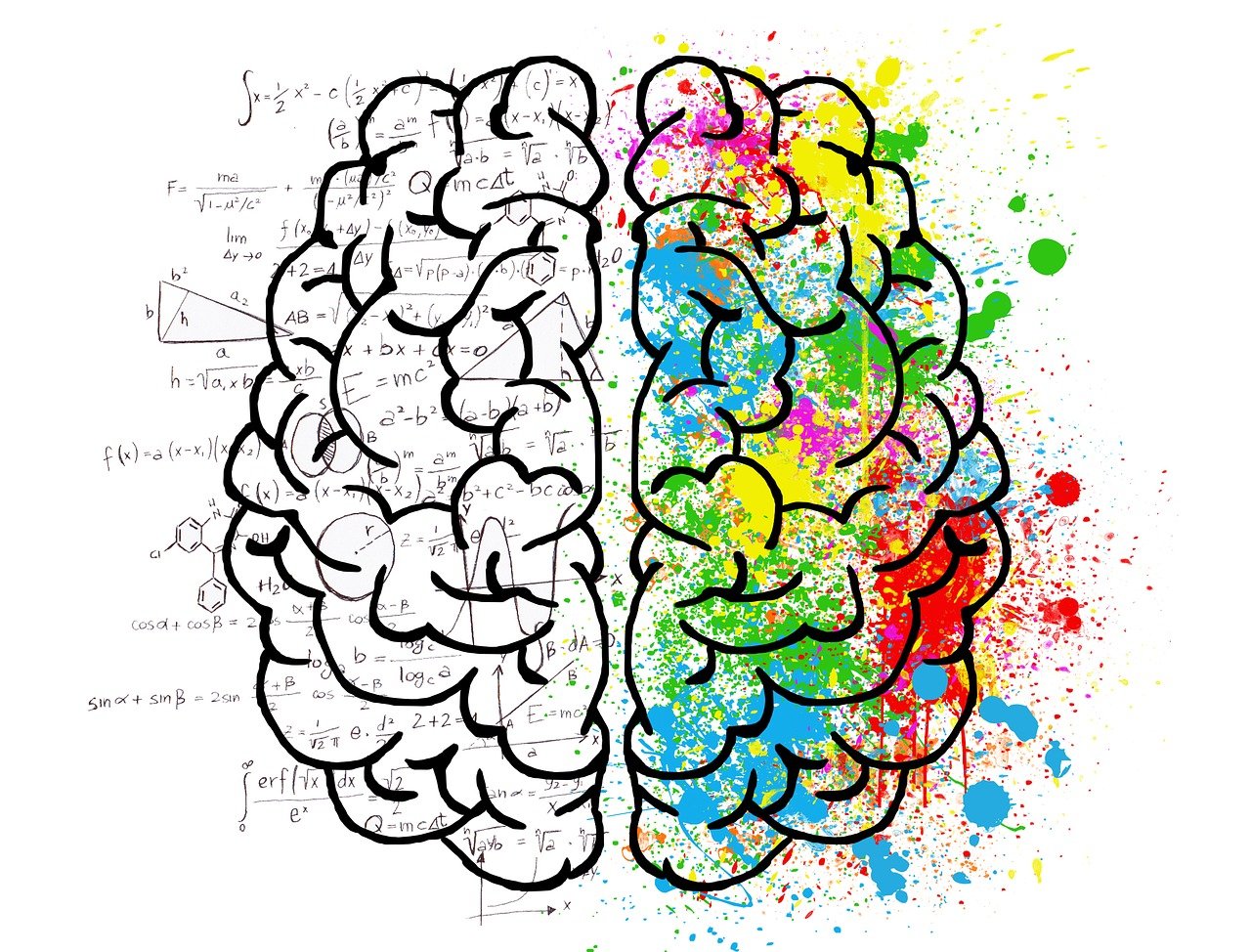
Exercise effort is not just what the muscles are producing.
It is also how hard the brain perceives that work to be.
Breathing. Heart rate. Heat. Tired legs. Muscular discomfort.
Music adds rhythm, melody, memory and anticipation into that conversation.
That shift in attention is often described as dissociation.
The work remains. We may simply spend a little less time staring directly at it.
And There Is Science Behind It
Researchers have been looking at music and exercise for years.
One large analysis of 139 studies involving more than 3,500 people found that music generally improved how people felt during exercise, produced a small reduction in perceived exertion and could modestly improve performance.
Some running studies have also found people can run a little faster or further with music without reporting a matching increase in how hard the effort feels.
Then There’s The Beat
This is the bit I’ve become interested in again recently.
Certain house tracks land beautifully on my preferred running cadence.
Boom. Foot strike. Boom. Foot strike.
Once the rhythm locks in, I stop continually reminding myself to stay light, shorten the stride and hold cadence.
The music starts doing some of that organising for me.
A bloody enjoyable metronome.
Humans naturally synchronise repetitive movement with rhythm.
Researchers call it auditory-motor entrainment.
Musical tempo can subtly influence step frequency.
But It Needs To Be Your Music
There is no magical universal running playlist.
Thunderstruck does something to me that it may not do to you.
Somebody else might get exactly the same lift from Taylor Swift, Metallica, Eminem or a house track I’ve never heard of.
Emotion matters.
And There Is A Limit
Music is not anaesthetic.
It does not refill glycogen or magically freshen cooked legs.
Once you’re absolutely flogging yourself, physiology eventually wins.
No amount of AC/DC can negotiate forever.
Trial This...
Next time you head out for an easy-to-moderate run or aerobic session, play around with it.
And when traffic, technical terrain, heat or genuine warning signals demand your attention — headphones out.
So... Does Music Make You Faster?
Maybe.
I think the better description is that music can help us enjoy the work more, organise movement and tolerate ordinary endurance discomfort a little longer.
Looking back, that ridiculous old Walkman probably wasn’t carrying my legs around that marathon.
But there’s a fair chance it was helping carry my brain.
And these days?
No Walkman.
No cassette.
Just tiny headphones and a dirty great house bass beat dropping straight onto my running rhythm.
Around 176 strides per minute, FYI.
What Would My Perfect Nutritional Day Look Like?
Not a starvation diet.
Not a day of weighing lettuce leaves.
And certainly not some beautifully photographed wellness menu that takes three hours to prepare.
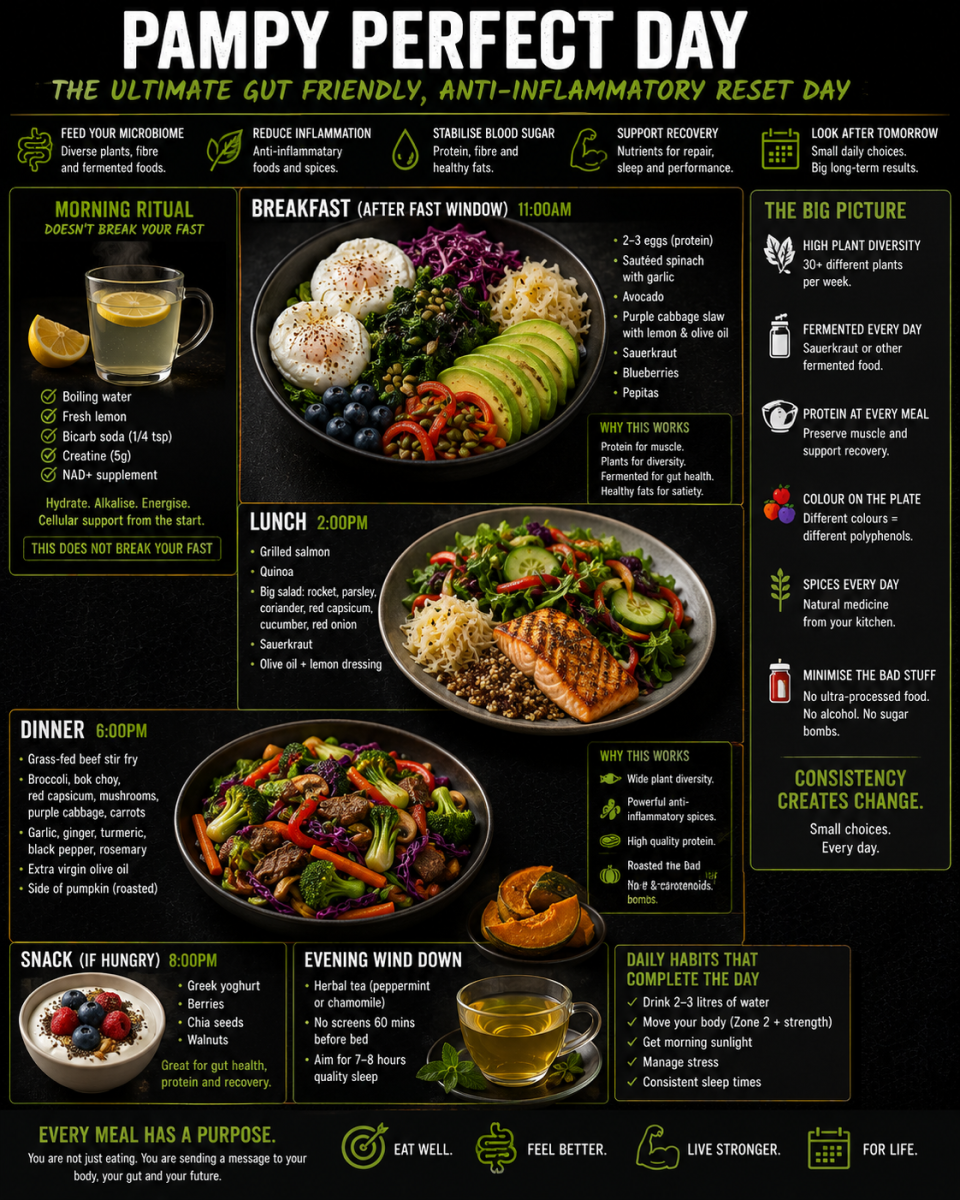
This is simply what I consider a really strong nutritional day — plenty of protein, colour, fibre, healthy fats, plant diversity and foods with a job to do.
What I’m Looking For
I’m not chasing nutritional perfection.
I’m trying to repeatedly give my body the things it needs to function, recover, maintain muscle and support a healthy gut.
More importantly...
It has to fit real life.
I want meals that are easy to repeat, easy to shop for and simple enough to prepare even when life gets busy.
If your “perfect diet” only works when you have two hours spare and a private chef, it probably isn’t much use.
Repeatability beats complexity.
The goal is not to eat perfectly.
The goal is to repeatedly eat well.
Do I Eat Exactly Like This Every Day?
Of course not.
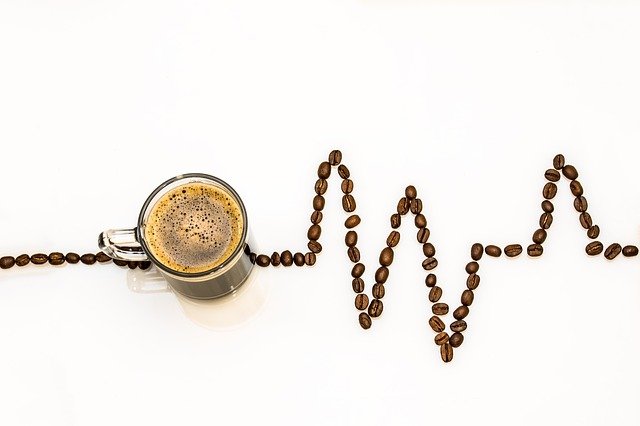
Some mornings I fast. And I should have added a day starting 'strong' coffee (or two).
Meals change. Travel happens. Restaurants happen. Weekends happen.
But the underlying principles stay remarkably consistent.
The Principles Travel With Me
Protein first.
Lots of colourful plants.
Foods that support the gut.
Keep ultra-processed food low.
Eat until satisfied — not stuffed.
Simple enough to remember. Strong enough to work.
So There It Is — My “Perfect” Day.
Not because every ingredient is magical.
It works because the entire day repeatedly supplies quality food, useful nutrients and enough variety to support health without turning eating into a full-time occupation.
If you can build most of your week around days that look roughly like this, you are doing plenty right.
Food should have a job.
Feed the gut.
Protect muscle.
Fuel the body.
Then get on with your day.